Hair Transplantation: A Comprehensive and Detailed Guide
Hair transplantation is a surgical procedure aimed at restoring hair in areas affected by baldness or thinning. While widely discussed, many aspects of this procedure remain unknown to the general public. This article delves into unique and lesser-known aspects of hair transplantation, exploring the science behind it, advanced methodologies, biological considerations, and post-surgical care.1. Understanding the Biology of Hair Transplantation:
A. The Science of Hair Follicles and Growth CyclesHair follicles undergo continuous cycles of growth and shedding, classified into three stages:Anagen Phase: Active hair growth (lasts 2-7 years).
Catagen Phase: Transition phase (lasts a few weeks).
Telogen Phase: Resting phase before shedding (lasts around 3 months).
Terminal Hair: Thick, pigmented, and primarily found on the scalp.
Vellus Hair: Thin, non-pigmented hair that does not contribute to scalp coverage.
Follicular Units: Natural groupings of 1-4 hairs within the scalp, which are extracted and transplanted as intact units for the most natural results.
2. Advanced Extraction and Implantation Techniques:
A. Donor Area Selection – Not Just the ScalpTraditional hair transplants use scalp hair from the back or sides of the head, but alternative donor areas include:Beard Hair: Often thicker and more resilient, ideal for crown area transplants.
Chest Hair: Can be used in cases of limited donor supply but has different texture.
Leg and Arm Hair: Less commonly used but useful for specialized cases.
Depth: Follicles implanted too deep may fail due to lack of oxygen, while shallow implantation can lead to weak anchoring.
Angle and Direction: Natural hair grows at specific angles (e.g., frontal hair grows at 10-15 degrees, while crown hair follows a swirl pattern). Incorrect implantation can result in unnatural aesthetics.

3. The Role of Stem Cells and Growth Factors in Hair Transplants:
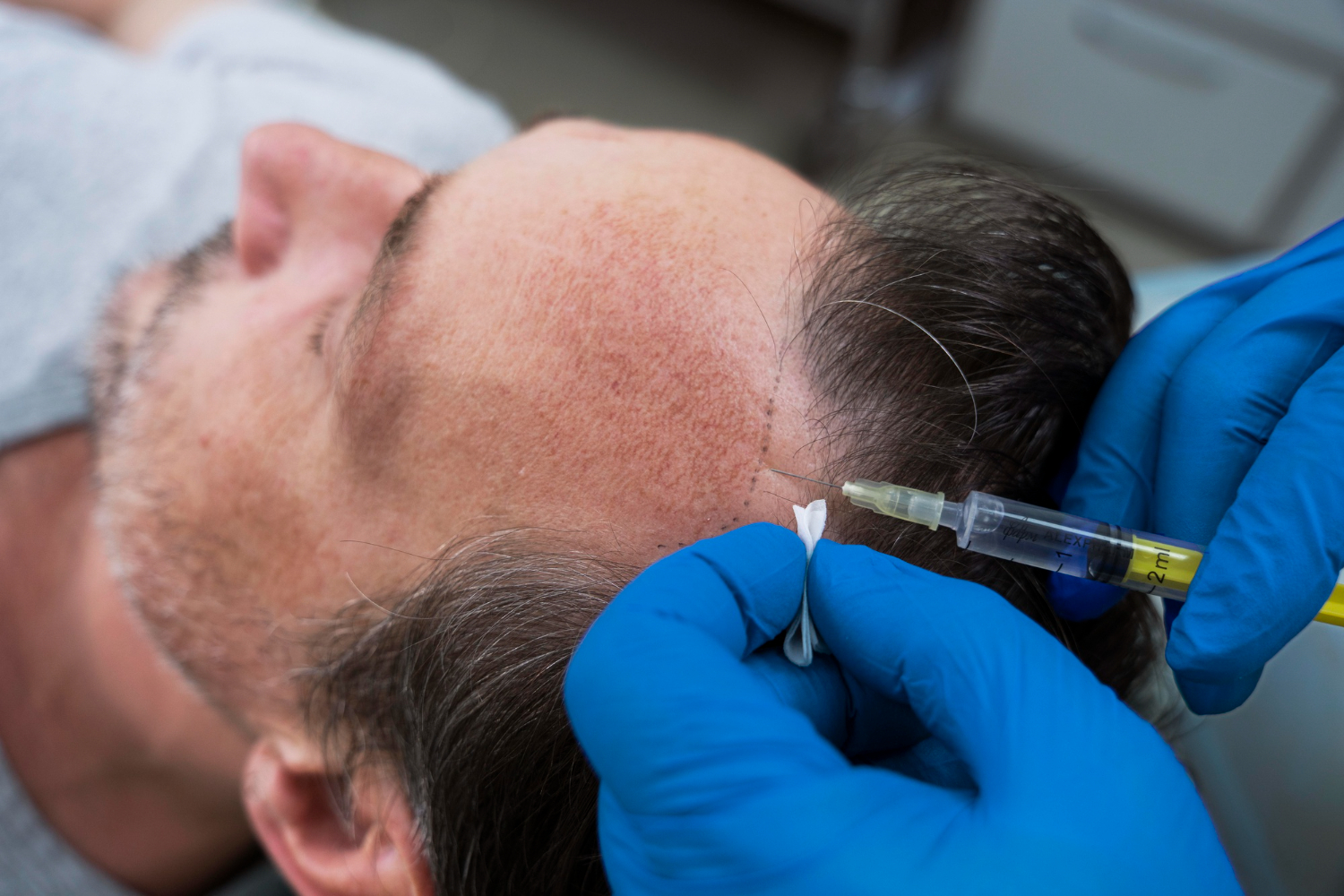
A. Enhancing Transplant Success with PRP TherapyPlatelet-Rich Plasma (PRP) is used to improve follicle survival by providing:Growth Factors (EGF, PDGF, VEGF): Stimulate new hair growth and healing.
Improved Vascularization: Ensures proper blood flow to transplanted follicles.
4. Common Myths vs. Medical Realities of Hair Transplantation:
A. Myth 1: Transplanted Hair Falls Out Permanently-Reality: Transplanted hair undergoes a temporary "shock loss" phase but regrows within months. B. Myth 2: Only Men Can Undergo Hair Transplantation-Reality: Women with diffuse thinning or traction alopecia also benefit from transplantation. C. Myth 3: Hair Transplants Work Immediately-Reality: The full results take 12-18 months to become visible. Patience and proper aftercare are crucial.5. Post-Surgical Recovery and Maximizing Results:
A. Immediate Post-Surgery Care:-Avoid touching or washing the scalp for 48 hours.-Sleep with the head elevated to reduce swelling.-Avoid smoking and alcohol to enhance healing. B. Long-Term Maintenance:Minoxidil and Finasteride: Used to maintain non-transplanted hair.
Laser Therapy: Helps strengthen newly transplanted follicles.
DHT Blockers: Prevent further hair loss in genetically prone individuals.
6. Future of Hair Transplantation – What’s Next?
A. Cloning and Hair Multiplication:Current research explores cloning hair follicles using induced pluripotent stem cells (iPSCs) to create unlimited donor hair supply. B. Artificial Intelligence in Hairline Design:AI-powered simulations are being used to predict and optimize hairline placement before surgery, allowing for more personalized and accurate planning.Hair transplantation is far more than just moving hair from one place to another—it requires a deep understanding of follicular biology, precision in implantation, and careful post-surgical care. With advancements in stem cells, regenerative medicine, and AI-assisted techniques, the future of hair restoration looks promising. By understanding these unique aspects and avoiding common misconceptions, patients can make informed decisions and achieve the best possible outcomes.