
The True Cost of Hair implant: A Scientific and Financial Breakdown
Hair implant is a broad term that includes various methods such as hair transplants, synthetic hair implants, scalp micropigmentation, and non-surgical hair systems. Each option varies significantly in terms of cost, longevity, and effectiveness. While hair transplants are considered a permanent solution, alternative methods provide quicker but temporary results. This article explores the financial and scientific aspects of different hair replacement methods, shedding light on hidden costs, maintenance expenses, and factors affecting overall pricing.1. Understanding Hair implant Methods and Their Costs:
There are multiple approaches to hair implant, each catering to different needs and budgets. A) Surgical vs. Non-Surgical Hair implantHair replacement methods can be categorized into two main types: Method Type Longevity Average Cost (USD)Hair Transplant (FUE, FUT, DHI) Surgical Permanent $3,000 – $25,000Scalp Micropigmentation (SMP) Non-Surgical 3–6 years $1,500 – $4,000Synthetic Hair Implants (Biofibre, Nido) Surgical 5–10 years $4,000 – $12,000Hair Systems (Wigs, Toupees) Non-Surgical 6 months – 2 years $300 – $3,000Each method has different cost structures, from the initial procedure to long-term maintenance. B) Factors Affecting Hair Replacement CostSeveral variables influence the cost of hair replacement, including: Density & Coverage Required: More extensive bald areas require higher graft counts or larger hairpieces.Material Quality: Synthetic hair implants or high-end wigs are more expensive than standard options.Surgeon’s Experience & Reputation: Highly skilled specialists charge more due to expertise.Clinic Location: Prices vary depending on medical regulations, taxes, and local economic conditions.2. A Scientific Approach to Hair implant Pricing:
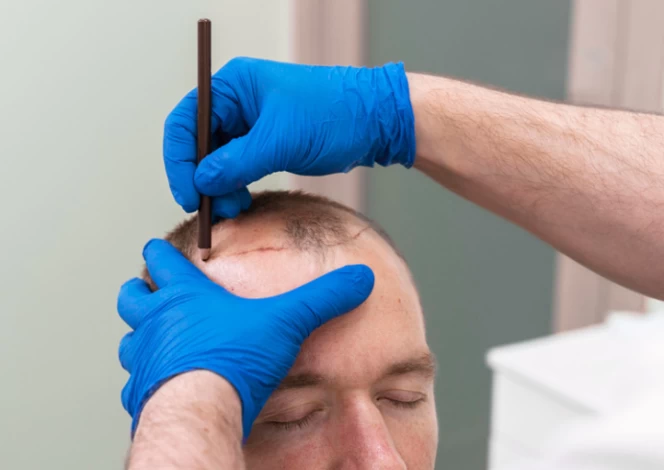 A) Why Hair Transplants Are Expensive?Hair transplant costs are largely influenced by medical advancements, precision techniques, and surgical expertise. Factors include:
 - Microsurgical Equipment: Advanced robotic tools (Artas, Neograft) increase costs.
- Graft Extraction Complexity: FUE and DHI require specialized handling, adding to the overall price.
- Post-Operative Treatments: Clinics may include PRP therapy or laser therapy to boost success rates.
- Pros: Immediate results, no need for donor hair.
- Long-Term Cost: Although initially cheaper than transplants, annual maintenance (up to $1,500 per year) makes them expensive in the long run.
3. Maintenance & Long-Term Expenses: What Patients Overlook:
Hair replacement is not a one-time expense; ongoing costs can add up. A) Transplant Maintenance CostsEven though hair transplants are permanent, they still require ongoing expenses: PRP Therapy (3–5 sessions annually): $200 – $700 per session.Hair Growth Medications (Minoxidil, Finasteride): $300 – $1,000 per year.Shampoos & Serums for Hair Strengthening: $50 – $200 per month. B) Wigs & Hair System Costs Over TimeHigh-End Custom Wigs: $1,000 – $3,000, needing replacement every 1–2 years.Adhesives & Maintenance Products: $200 – $600 per year.Styling & Professional Adjustments: Monthly appointments cost $50 – $150. C) Lifestyle & Psychological CostsTime Investment: Non-surgical solutions require daily care and maintenance.Confidence & Emotional Impact: Some patients may still experience self-esteem issues, leading to additional cosmetic or psychological treatments.4. Global Hair Replacement Cost Comparison:
Country Hair Transplant Cost (USD) Non-Surgical Costs (USD)
United States $8,000 – $25,000 $1,500 – $5,000
United Kingdom $7,000 – $18,000 $1,500 – $4,500
Turkey $2,000 – $6,000 $800 – $2,500
India $1,000 – $3,500 $500 – $2,000
Germany $6,000 – $15,000 $1,200 – $4,000
UAE $5,000 – $12,000 $1,500 – $4,500
Key Insights:
Turkey & India offer the lowest transplant costs due to lower medical labor expenses.
Western countries charge premium rates due to medical regulations and higher operational costs.
Non-surgical solutions are universally cheaper but require long-term maintenance.
5. How to Choose the Most Cost-Effective Hair Replacement Solution?
A) When Is Hair Transplant the Best Option?If you seek a permanent and natural-looking solution.If you can afford the initial high cost but want lower long-term expenses. B) When to Consider Non-Surgical Alternatives?If you prefer a lower upfront cost and don’t mind continuous maintenance.If you have medical restrictions preventing surgery (e.g., autoimmune conditions). C) Ways to Reduce Hair Replacement Costs Without Sacrificing QualityMedical Tourism: Countries like Turkey, Mexico, and Thailand offer affordable, high-quality procedures.Seasonal Discounts & Promotions: Many clinics offer discounts during off-peak seasons.Payment Plans & Financing: Some clinics offer installment plans to make procedures more affordable. All-Inclusive Packages: Clinics providing flight, accommodation, and surgery in one package can save 20–30% in total costs. Hair replacement solutions range from affordable temporary fixes to high-cost permanent procedures. The best option depends on individual needs, budget, and willingness to commit to maintenance. Understanding both the initial and long-term costs is essential to making an informed decision. Are you considering a hair replacement solution? Carefully evaluate all costs, including hidden expenses, before making your final choice.