
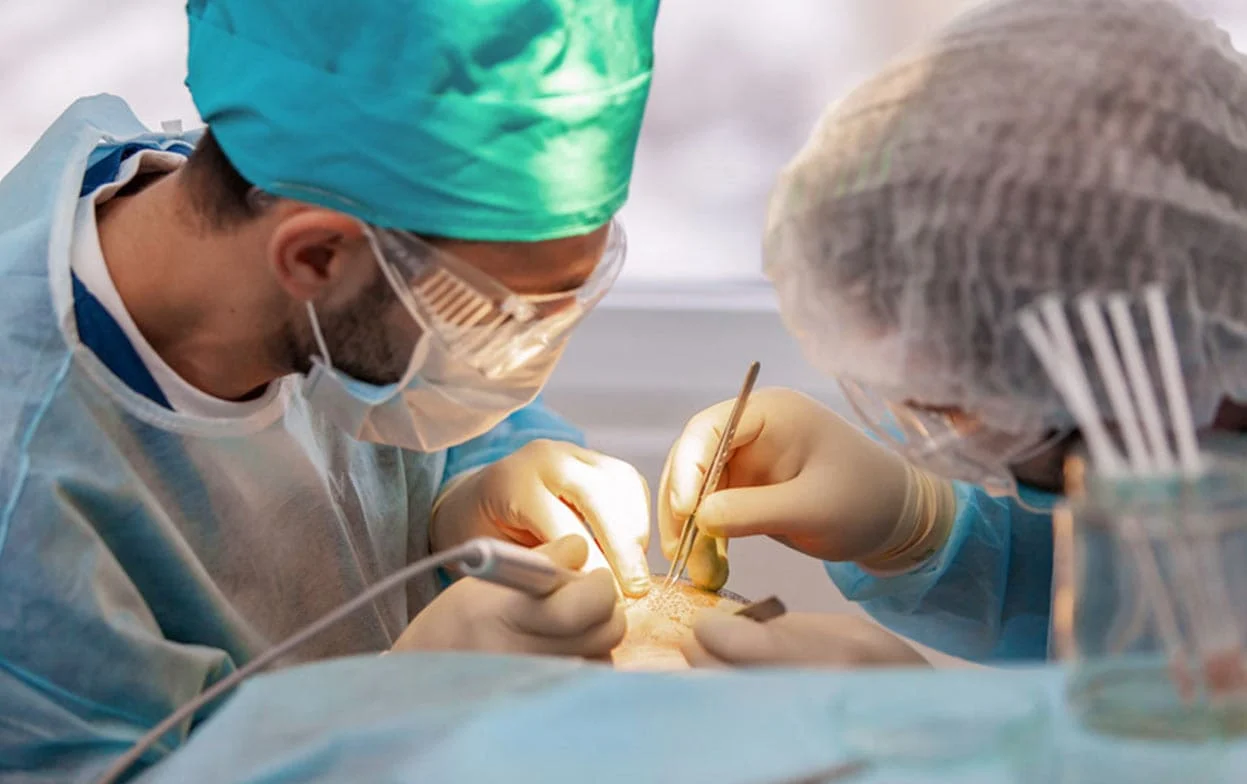
Unconventional Costs in Hair Surgery – Expenses You Might Overlook
Most people consider only the price of the actual hair surgery when budgeting for a transplant. However, there are several hidden and unconventional costs that many patients do not anticipate. From specialized hair treatments before and after surgery to long-term maintenance, the financial investment can be far greater than initially expected. This article explores often-overlooked expenses related to hair transplant procedures.1. Pre-Surgery Expenses That Affect the Overall Cost
Before undergoing a hair transplant, many patients incur costs that are not included in the advertised price of the surgery itself. A) Scalp Preparation Treatments- Some clinics recommend laser therapy before surgery to stimulate circulation, costing $500 to $2,000 per session.
- Scalp detox procedures, designed to remove buildup and optimize graft survival, cost $100 to $500.
- Patients are often advised to start minoxidil or finasteride before surgery to strengthen existing hair, adding $50 to $100 per month to the cost.
- Some patients may need customized hormone therapy if hair loss is due to medical conditions, costing $1,000 to $5,000 per year.
2. The Hidden Costs of the Recovery Process
Once the procedure is completed, there are several additional costs associated with recovery and hair maintenance. A) Specialized Post-Transplant Products- Medical-grade shampoos and serums are often required for 6-12 months post-surgery, adding an extra $300 to $1,500 in expenses.
- Healing ointments and anti-inflammatory medications may be necessary, with costs ranging from $100 to $500.
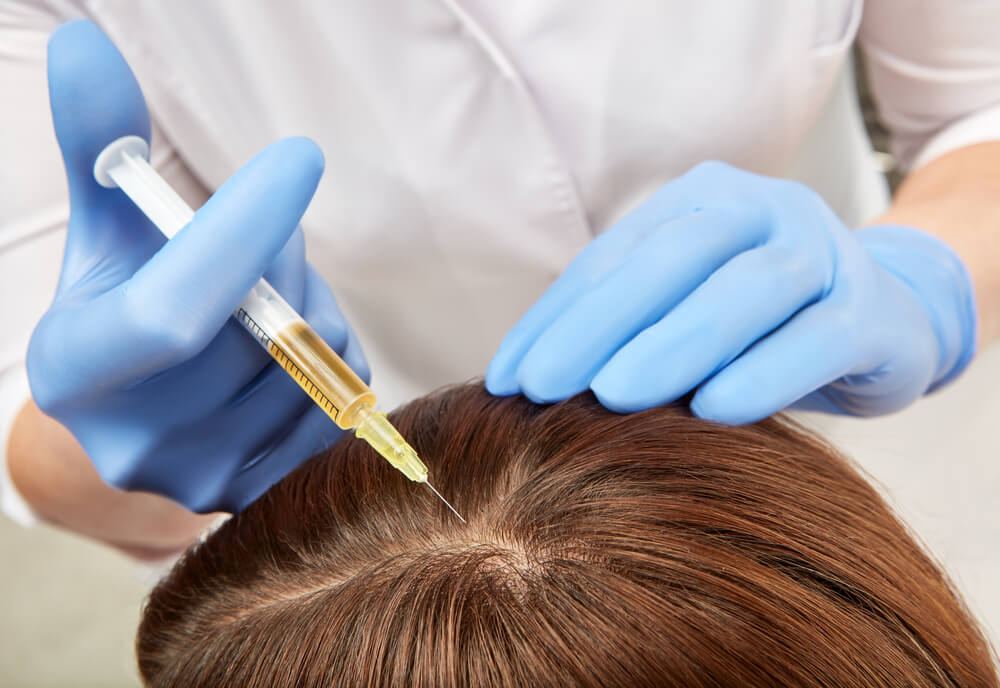
- Many patients opt for PRP (Platelet-Rich Plasma) treatments to enhance graft survival, with each session costing $300 - $800, and typically 3-5 sessions are recommended.
- Low-Level Laser Therapy (LLLT) is another popular post-surgical treatment, requiring sessions priced at $500 - $2,000 over a few months.
3. Long-Term Maintenance Costs to Preserve Results
Even after a successful hair transplant, ongoing maintenance is often necessary to retain the results. A) Hair Loss Prevention TreatmentsPatients may need to continue using minoxidil or finasteride for life, adding $500 - $2,000 per year in expenses.Additional PRP treatments every year cost $1,000 - $3,000 to help prevent further thinning. B) Secondary Hair TransplantsSome patients require a second transplant 5-10 years later to address progressive hair loss, which means another $5,000 to $15,000 investment.Touch-up procedures for density enhancement can cost $3,000 to $7,000.4. Lifestyle Adjustments That Increase Costs
Finally, hair transplant patients often find themselves spending more on hair care and styling post-surgery. Many switch to premium hair products, increasing annual haircare costs by $500 - $2,000. Regular salon visits for trimming and styling to maintain the natural look of transplanted hair can add $500 - $1,500 per year.Hair transplant surgery is just one part of the total financial investment in hair restoration. From pre-surgery preparations to long-term maintenance, patients often underestimate the full cost of the procedure. Planning for these hidden expenses ensures that individuals achieve optimal results without unexpected financial strain.