
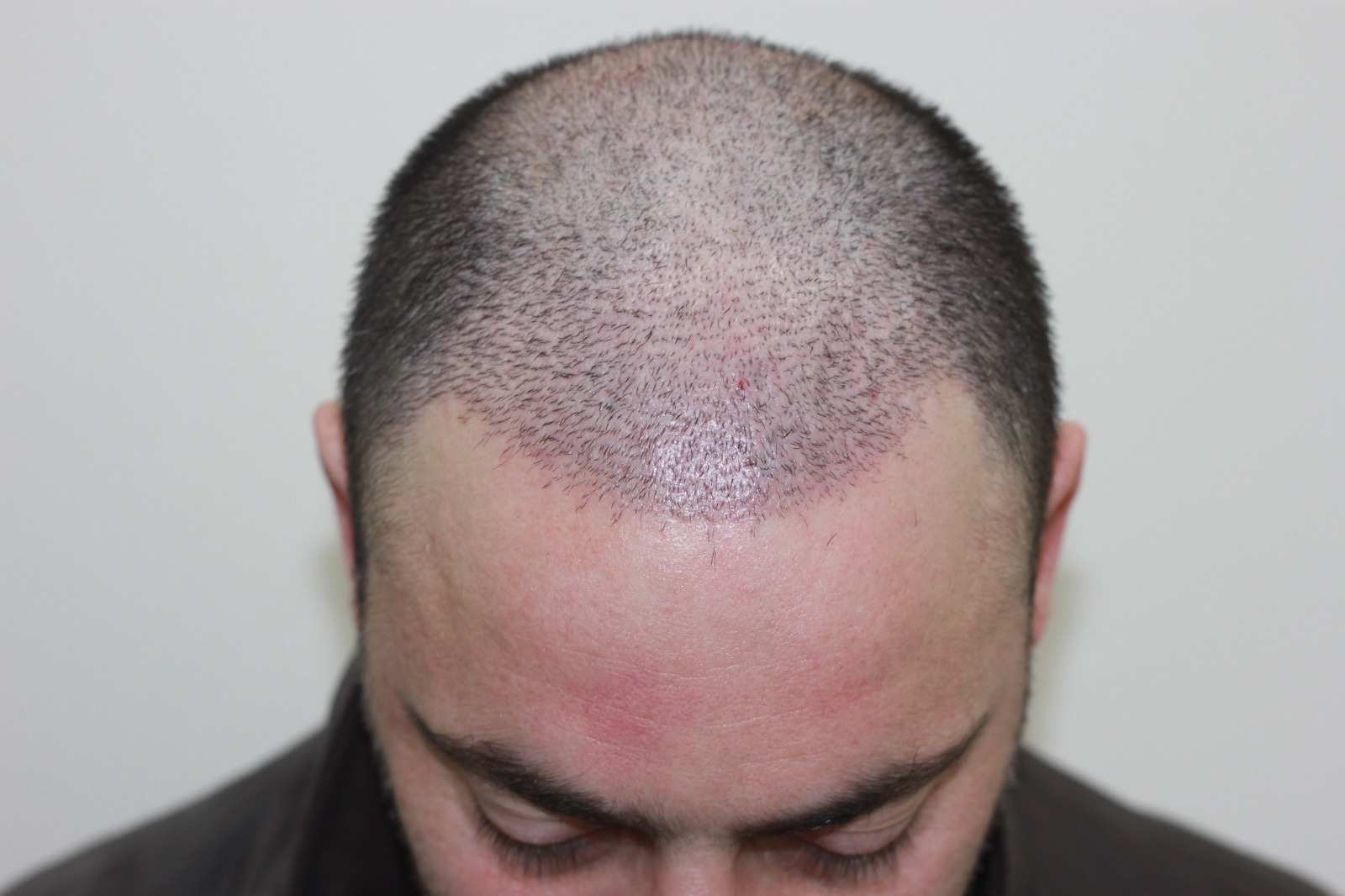
Transparent Hair After Hair Transplant: Influencing Factors and Innovative Solutions for Density Enhancement
The appearance of transparent or thin hair after a hair transplant is a concern for many patients. Newly transplanted hair may initially appear weak or thin compared to the surrounding natural hair. While this is often a normal part of the healing process, in some cases, it persists longer than expected, prompting patients to seek solutions. This article explores the factors affecting transparent hair after transplantation, advanced medical techniques to improve hair quality, and intensive care methods to enhance thickness and density.Factors Influencing Transparent Hair After Transplantation
1. Quality of the Donor Area and Graft SelectionThe density and thickness of transplanted hair depend significantly on the quality of the donor grafts. If the extracted follicles are from an area with naturally thin or fine hair, the new hair may also appear less dense. Solution: Choose double or triple hair grafts instead of single-hair follicles for increased thickness.Extract grafts from high-density donor areas, such as the back of the scalp, rather than the sides.2. Impact of Extraction Techniques on Hair ThicknessThe method used to extract follicles plays a crucial role in the survival and strength of transplanted hair. Excessive pressure during extraction or implantation can damage the follicles, leading to thin or weak hair growth. Solution: Use advanced follicular extraction techniques like Micro FUE to ensure follicle integrity.Maintain optimal implantation depth to ensure adequate blood supply to the follicles.3. Blood Circulation in the ScalpPoor blood circulation in the scalp can negatively affect hair growth. If the transplanted follicles do not receive sufficient nutrients and oxygen, they may produce weak, transparent hair. Solution: Use vasodilators like Minoxidil to stimulate blood flow to the scalp.Scalp massage exercises to promote circulation.Take nutritional supplements containing Vitamin B3 (Niacin) to enhance blood flow to the follicles.4. Stress and Hormonal Influence on Hair DensityStress and hormonal imbalances can negatively impact new hair growth. Elevated cortisol levels or deficiencies in growth hormones and testosterone can weaken transplanted hair. Solution: Reduce stress through exercise, meditation, and yoga.Take natural supplements such as Ashwagandha and Ginseng, which help balance hormones and minimize stress-related hair thinning.5. Nutritional Deficiencies Affecting Hair GrowthHair needs proper nutrition to grow strong after transplantation. Deficiencies in iron, proteins, and essential fatty acids can lead to weak, transparent hair. Solution: Consume iron-rich foods (spinach, red meat), protein sources (eggs, fish), and zinc (nuts, whole grains).Stay hydrated to maintain scalp health and promote strong hair growth.Advanced Treatments to Improve Transplanted Hair Quality
1. Platelet-Rich Plasma (PRP) TherapyPRP injections are an effective treatment to enhance transplanted hair density by supplying growth factors that activate follicles and encourage stronger, thicker hair growth. 2. Low-Level Laser Therapy (LLLT) for Hair StimulationLow-Level Laser Therapy (LLLT) helps increase blood circulation in the scalp and boosts collagen production, improving the quality of transplanted hair. 3. DHT-Blocking MedicationsIn some cases, weak hair growth occurs due to Dihydrotestosterone (DHT), the hormone responsible for genetic hair loss. Medications like Finasteride can help protect transplanted follicles from DHT-related damage.How Long Does Transparent Hair Take to Thicken?
The timeline for transparent hair to gain density varies from person to person, but on average: -First 3 months: New hair begins to grow but appears very thin.-After 6 months: The hair gradually thickens and becomes more noticeable.-Between 12 to 18 months: The hair reaches its maximum density, appearing thicker and more natural.Experiencing transparent or thin hair after a transplant is common, but it does not mean the procedure has failed. Most cases improve over time, especially when proper medical care is followed. With advanced treatments such as PRP, Minoxidil, proper nutrition, and hormonal balance, transplanted hair can become denser and achieve long-lasting, natural results. If you are concerned about transparent hair after your transplant, consult a hair specialist to determine the best course of action. With patience and continuous care, you can achieve a fuller, more natural-looking hairline.