
Understanding Hairline Implant Cost: A Deep Dive into Modern Medical Advancements and Pricing
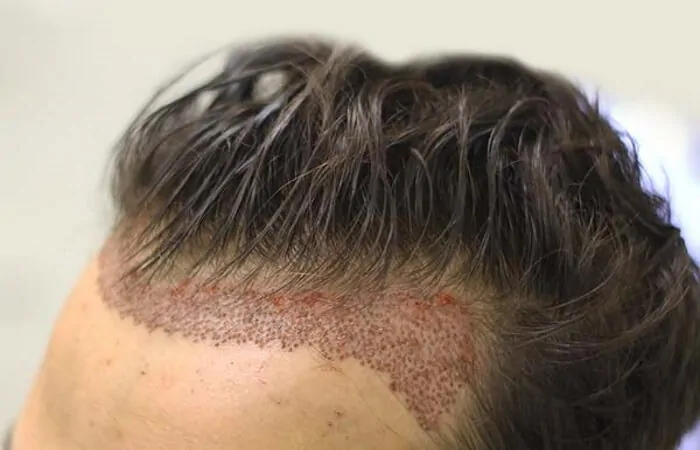
Hairline implant procedures have gained significant popularity due to their ability to create a natural and youthful appearance. Unlike full-scale hair transplants, hairline restoration focuses on the frontal hairline, requiring precision, artistry, and advanced medical techniques. The cost of a hairline implant is shaped by emerging technologies, personalized treatment plans, and post-surgical care, making it a unique investment compared to traditional hair transplants. This article explores new medical advancements, personalized pricing structures, and hidden costs associated with hairline implant procedures, providing an in-depth look into this specialized treatment.1. The Role of Advanced Technology in Hairline Implant Costs:
Unlike older transplant techniques, modern hairline implants rely on cutting-edge technology to enhance accuracy, minimize scarring, and improve long-term results. The introduction of robotic-assisted procedures, micrografting techniques, and AI-based hair mapping has transformed the field, impacting the overall cost.- Innovative Technologies Influencing Price:
2-Micrografting and Nano Hair Follicle Implantation – These techniques allow for the implantation of single-hair grafts instead of clusters, creating a soft, natural-looking hairline. The meticulous process requires specialized tools and trained experts, raising the procedure’s cost.
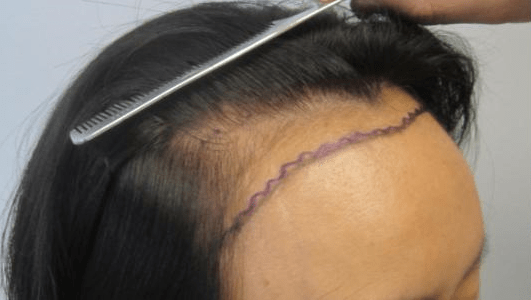
3-3D Hairline Simulation and Virtual Design – Some clinics use digital imaging and AI-based scalp analysis to design an optimal hairline before surgery. While this enhances precision, it also adds to the final cost.
- Estimated Cost Increase Due to Technology:
2. Hairline Implant as a Personalized Procedure: The Impact of Customization on Pricing:
Hairline restoration is not a one-size-fits-all procedure. Each patient requires a different approach based on their facial symmetry, hair type, and density goals. The level of customization directly influences the overall cost. Factors Contributing to Personalized Costs:- Ethnic Hair Considerations:
- Age-Related Hairline Planning:
- Facial Harmony and Artistic Implantation:
- Cost Breakdown Based on Customization Level:
3. Hidden and Long-Term Costs of Hairline Implants:
While the surgical cost is the primary expense, patients often overlook post-operative maintenance and follow-up treatments. These additional costs can significantly increase the total investment over time. Post-Surgical Expenses:- Scalp Healing Therapies:
2-LED Light Therapy may be used to reduce inflammation and stimulate hair regrowth ($100 – $300 per session).
- Medication and Preventative Treatments:
- Hairline Touch-ups and Corrections:
- Total Estimated Lifetime Cost:
4. The Future of Hairline Implants: What’s Next in Cost and Innovation?
As medical research advances, new non-surgical alternatives and stem-cell-based hair regeneration are emerging, which could reshape the cost structure of hairline implants in the future. Upcoming Innovations Impacting Costs:1-Hair Cloning and Stem Cell Therapy – Scientists are working on cloning hair follicles to create unlimited donor supply, which could lower transplant costs significantly in the next decade.2-Exosome Therapy for Hair Regeneration – Instead of transplants, exosome-based injections may replace lost follicles naturally, reducing the need for surgery (currently experimental, but may cost $5,000 – $8,000 per treatment).
3-Artificial Hair Implants (Biocompatible Fibers) – Some companies are developing synthetic, bioengineered hair fibers, offering an alternative to surgery at a lower price (estimated future cost: $3,000 – $6,000). The cost of a hairline implant is influenced by advanced medical technology, personalized treatment plans, and long-term maintenance. While new innovations like robotic FUE, micrografting, and AI-based design have increased precision, they have also raised costs. Understanding the hidden expenses, including post-surgery care and potential touch-ups, helps individuals plan their budget effectively. Looking ahead, emerging treatments such as stem cell therapy and exosome injections may revolutionize the field, potentially reducing overall costs in the future. For those considering a hairline implant, investing in an experienced surgeon, understanding post-operative needs, and preparing for long-term care ensures optimal results and financial clarity.